

6 Hours in the Saddle
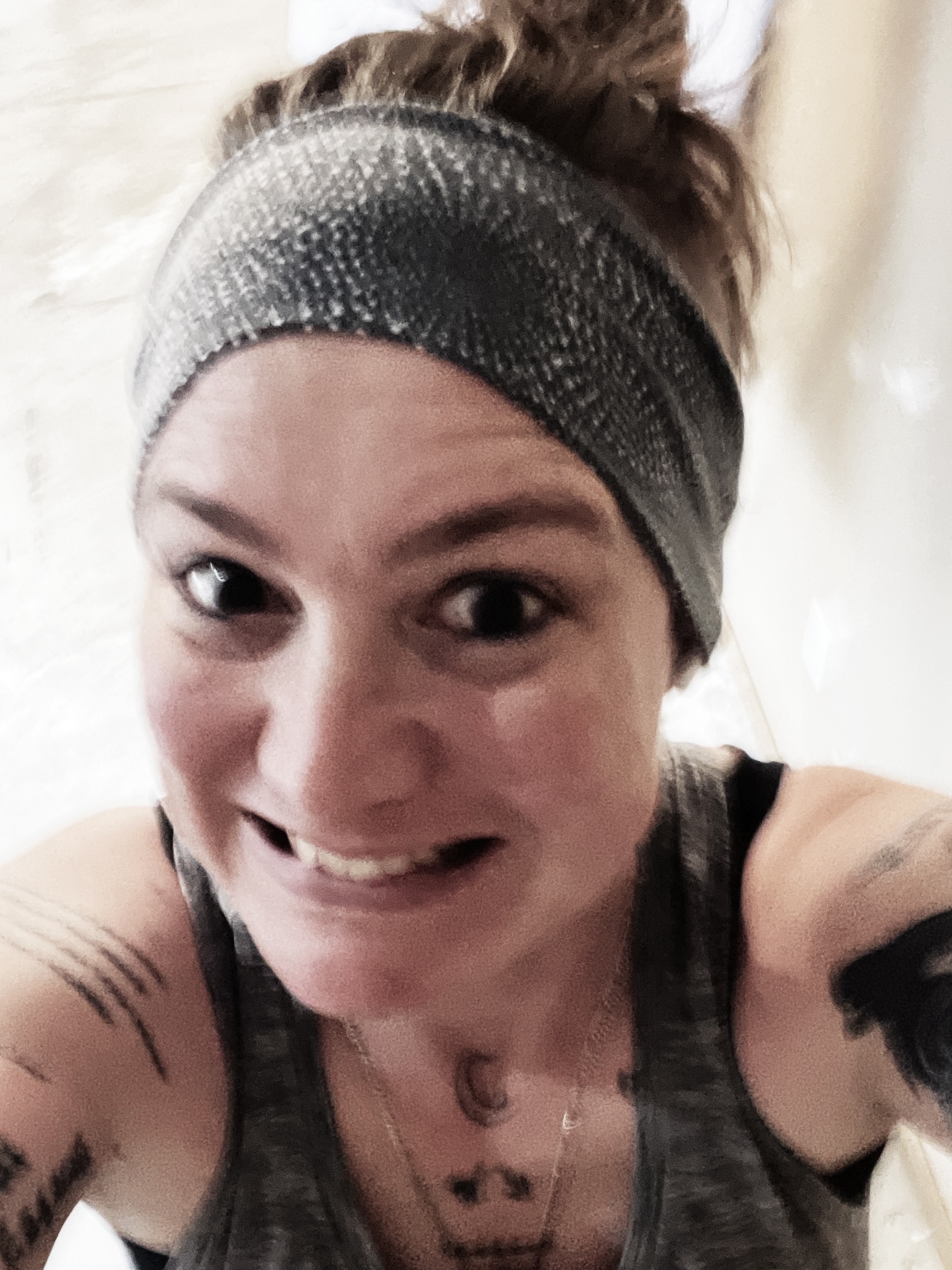

I suppose. I would typically and simply explain that 6 hours in the saddle is just that, 6 hours in the saddle in passing. I mean why should one have to go into grave detail about it? In a way, what happens in my helmet is personal. For me, it’s meditative and calming. It can be stressful as well. It really depends on what the highway brings your way. However, the majority of the time for me it is relaxing, a mood reset. Not that I am a huge advocate for riding while under the influence of anger. So it was no surprise to me on the few studies that have been made on what riding does for the rider.
A bit of what I read about from another source but this is from a google search for ya’ll.
Research on "motorcycle therapy" for adults is largely observational and neurobiological rather than formal clinical psychotherapy, showing short-term stress reductions, heightened sensory focus, and cognitive engagement.
Key Studies & Findings
Stress & Arousal (EEG & Endocrine Study): A neurobiological study measured brain and stress responses during riding versus driving and resting. Riding increased heart rate and epinephrine, shifted stress-related hormone markers (lowering the cortisol-to-DHEA-S ratio by about 28% in reported findings), and enhanced sensory processing and visual attention. You can view the full abstract in Modulation of attention and stress with arousal: The mental and physical effects of riding a motorcycle.
Cognitive Function in Returning Riders: A controlled study in Japan followed middle-aged men (ages 40–50) who returned to daily motorcycle riding for two months after a break of at least 10 years. Compared to a control group, riders showed improvements in visuospatial cognition and memory tasks, alongside greater prefrontal cortex activity. Details are available in Riding a Motorcycle Affects Cognitive Functions of Healthy Adults: A preliminary controlled study.
Physical & Flow Effects: Summaries of riding research note elevated heart rate and calorie expenditure (especially off-road), plus a "flow" or mindfulness effect driven by continuous environmental scanning and motor demands.
Important Caveats
Not a Clinical Replacement: Existing studies examine acute attention, stress biomarkers, and cognitive tasks—not randomized clinical trials treating PTSD, depression, or anxiety disorders.
Safety & Cognitive Load: High sensory demand and traffic risks mean riding requires substantial mental bandwidth and safety precautions rather than acting as a passive relaxation tool.
What Existing Research Shows
Neurobiological Stress Reduction. A UCLA Semel Institute study (funded by Harley-Davidson) measured riders' brain activity and hormone levels. Twenty minutes of riding lowered cortisol (a primary stress hormone) by 28%, increased heart rate by 11%, and boosted adrenaline by 27%. Researchers compared the brain activity to active meditation, noting heightened sensory focus and alertness.
Veteran Trauma and "Wind Therapy." A 2024 qualitative study published in the Journal of Experiential Education interviewed U.S. veterans living with trauma. Participants reported that riding helped regulate emotions, quiet intrusive thoughts, and rebuild camaraderie and a sense of purpose.
Physical Exertion. Off-road riding adds cardiovascular benefits. A York University study found that trail riding elevates heart rate to an average of 141 bpm (about 51% of maximum aerobic capacity), offering moderate physical exercise alongside mental focus.
Why Riding May Help With CPTSD Symptoms
While clinical trials for CPTSD are lacking, mental health clinicians and researchers point to several mechanisms that overlap with trauma recovery:
Forced Present-Moment Focus. Operating a motorcycle demands continuous visual and physical attention, which can pull the brain out of dissociation, hypervigilance, or rumination into a grounded "flow state".
Bilateral Visual Scanning. Some psychiatric clinicians note that constantly sweeping the eyes across the road, mirrors, and horizon mimics the bilateral eye movements used in Eye Movement Desensitization and Reprocessing (EMDR), though this remains a clinical observation rather than a proven substitute for therapy.
Sense of Agency. CPTSD often stems from prolonged situations where a person felt powerless. Mastering a complex, high-focus skill like riding or motorcycle mechanics can rebuild confidence and bodily autonomy.
Important Caveats for CPTSD
Complementary, Not Curative. Riding provides temporary nervous system regulation and symptom relief, but it does not process underlying relational or developmental trauma on its own.
Safety and Risk. CPTSD can involve emotional dysregulation or impulsivity. Riding while dissociated, severely triggered, or fatigued significantly increases crash risk.
Now, the studies are new-ish and most definitely need more examination, however, I cannot deny any of the studies’ findings. I am in-fact diagnosed with C-PTSD, and have experienced what is presented/researched in these studies.
My experience is minimal for 6 hours in the saddle compared to more seasoned riders. However, the worst parts for me is riding in extreme heat. Bumper to bumper traffic for 45 mins straight while the engine heat rises, making a sunny 92 degree day a 110 degree 45 minutes, when you are prone to heat stroke. Sweating in places I didn’t know were possible. That day didn’t end well for me but I rather enjoyed what I learned in a short time. Also, pushing the miles when my body is exhausted. This easily pushed me into a fibromyalgia flare-up. Learned that I cannot ride for long in cold weather as well due to the tensing of my neck muscles and it tends to lock things up. Makes for a hard day and almost impossible to ride. So I have to take many necessary precautions for myself, but I love the struggle. I love learning more. Regardless of the harsh weather and times I cannot quit getting back on. There is nothing like it.
The best parts for me and what I feel are private, would have to be my time I get in my head. However, taking in all the scenery, the smells, the wind, sighs deeply all of it. Allowing my brain the time and space to think. Not that I don’t get this time in my day-to-day, but it’s different on the bike. Nothing like it. I feel like I can finally breathe and think in a way for the time that I need. Creative ideas, and thoughts flow effortlessly.
My most precious thoughts are thinking of the ones I love. Mostly of how proud I am of my boys more than anyone could ever know. I tell them all the time but words could never describe how proud I am of the men they are growing into. So much more, but again. There is nothing like it. Nothing could replace it and I cherish every moment I get to ride regardless of the challenges. Because like everything in life there is always a challenge with anything you are doing or involved in. Choose your struggles, and move in peace about it. It’s not for everyone, and thats okay. It doesn’t have to be. Like spending over $100 on a fancy pansy purse is just not my thang doesn’t mean motorcycles have to be yours. Just feel free to be you. And I pray that others get a chance to have 6 hours doing whatever makes their hearts fill with joy regardless of what it is.
BE Happy.
Much Love 💕 and Gratitude,
Alice or whoever I am…


Comments